Work
Where to look for work in Australia
Useful platforms and job-search channels, with different approaches for hospitality, farm, construction and casual roles.

Your CV is ready, but where do you send it? Job sites, local groups and the café near your hostel can all be starting points. Which ones are worth your time depends on the work you want and where you are.
For cafés, restaurants and shops, you can combine online applications with visits in person. For farm work, get details about duties, pay and accommodation before travelling. For construction roles, be ready to explain which tickets you hold and when you can start.
In short
The main channels are:
- large job boards like SEEK, Indeed and Jora;
- Workforce Australia and related services;
- platforms for backpackers and seasonal jobs;
- direct sites of companies, hotels, resorts, farms and agencies;
- local Facebook groups;
- hostels and word of mouth;
- apply in person, especially in hospitality.
No channel is perfect. The best strategy is to use multiple channels together and always check offers before moving or sending documents.
SEEK, Indeed and Jora
These sites carry jobs in hospitality, retail, warehouses, customer service and construction, as well as resort and seasonal roles.
When searching, use simple keywords:
casualwaitstaffbartenderkitchen handfarm handfruit pickingharvestlabourerhousekeepingregionalworking holiday
Filter by location and publication date. If an ad is weeks old, still apply only if it still appears active or if the company has multiple open positions.
Workforce Australia and Harvest Trail
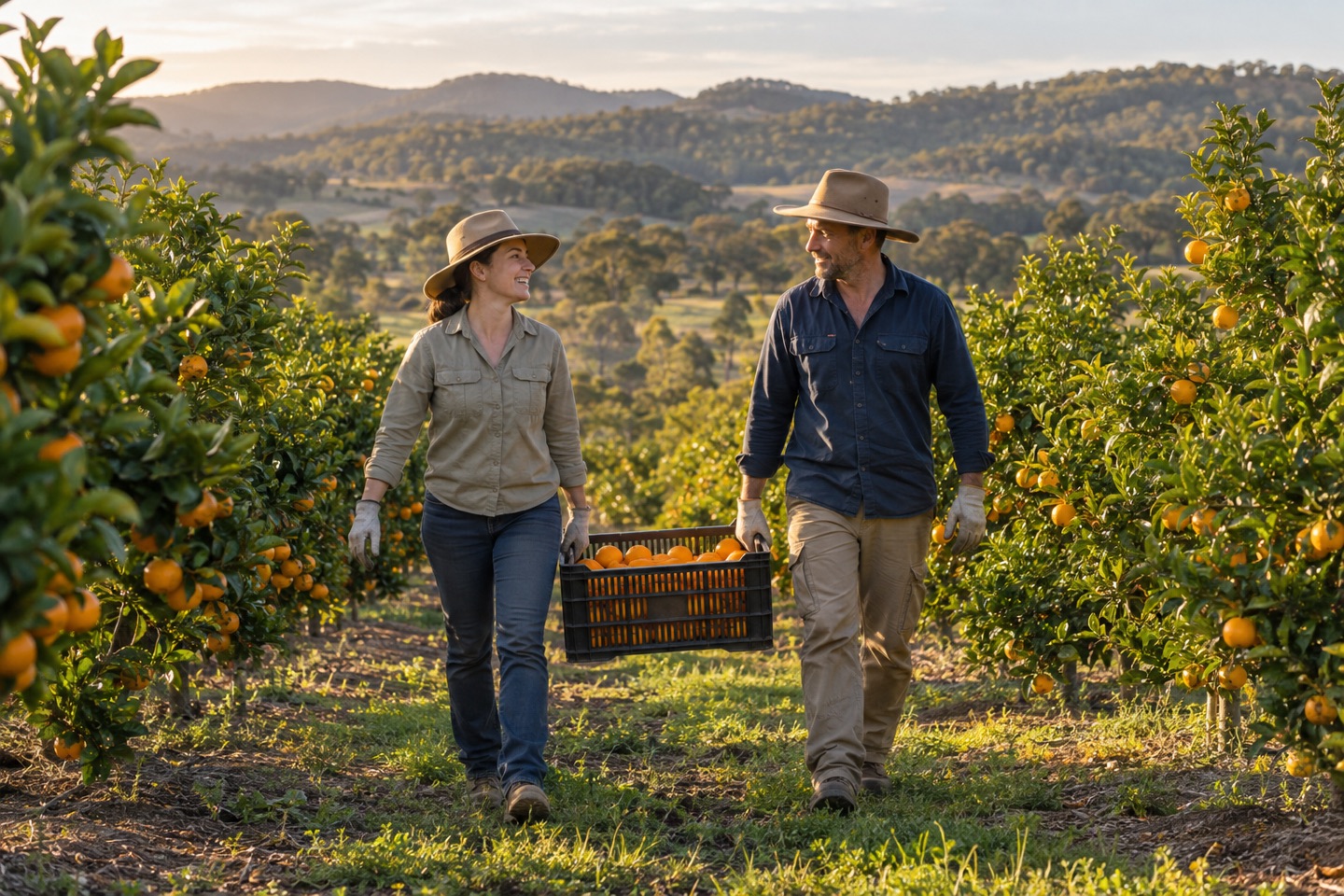
Workforce Australia is the government's job search channel. For those seeking agricultural or seasonal work, Harvest Trail services can be helpful in navigating areas, seasons and opportunities.
The advantage of official channels is that they are more suitable for verifiable research. The downside is that they aren't always the fastest way to get a response.
Use them for:
- understand what seasonal jobs exist;
- look for opportunities in regional areas;
- compare offers found elsewhere;
- avoid depending only on informal groups.
Platforms for backpackers
Platforms dedicated to backpackers often collect offers in:
- farm;
- hospitality;
- tourism;
- au pairs;
- housekeeping;
- seasonal jobs;
- regional roles linked to the 88 days.
They can be very useful, but you shouldn't automatically consider them safe. Even on well-known platforms you have to ask questions, check ABN, location, pay and conditions.
When you find an offer, don't just ask "is this for 88 days?". Ask:
- which company is hiring;
- where the workplace is located;
- what tasks will you do;
- which award or pay rate applies;
- if you will receive payslip;
- if accommodation is mandatory;
- which costs are retained;
- how many hours are realistic in that period.
Facebook groups and local communities
Facebook groups can be quick, especially for casual jobs and urgent farms. They are also the place where many incomplete, old or unclear offers circulate.
Use them like this:
- search for specific groups by city or region;
- read the comments, not just the post;
- check the profile of the person who publishes;
- avoid those who ask for money before giving you verifiable details;
- do not send complete personal documents to strangers;
- always ask for ABN, address and payslip.
If an ad promises sky-high earnings, perfect accommodation, guaranteed visa and immediate departure with no details, treat it as a red flag.
Show up in person
For hospitality, handing over your CV in person still works, but it must be done well.
Go during quiet times:
- morning after the breakfast rush;
- afternoon before dinner service;
- never in the middle of lunch or dinner.
Dress simply and cleanly. Bring printed CVs, keep it brief and ask if they are looking for staff. If they tell you to apply online, do it anyway and indicate that you came by in person.
For cafes, restaurants, bars and hotels, availability matters a lot:
- weekends;
- evenings;
- public holidays;
- immediate start;
- flexibility between roles.
Agencies and working hostels
Agencies can be useful for labouring, events, housekeeping, warehousing and some farms. Working hostels can help in agricultural areas, but must be carefully evaluated.
Before accepting:
- read recent reviews;
- ask how many days/hours are realistic;
- check if you have to pay bond or advance rent;
- ask what happens if the work ends;
- check if you can leave the accommodation without excessive penalties;
- ask for payslip and name of the actual employer.
Work-related accommodation can be convenient, but if the job is unstable you risk paying for weeks without accumulating useful days.
How to check an offer
Before moving for a job, do a minimum check:
- search for the ABN on ABN Lookup;
- search for the business name on ASIC, if necessary;
- check address on maps;
- search for recent reviews;
- compare the pay with Fair Work;
- ask for payslip and payment methods;
- have details sent to you in writing.
If your business name doesn't match your ABN or company, ask for an explanation. It's not always a scam, but you need to figure out who's really paying you.
Short message to apply
An effective message can look like this:
Hi, my name is Marco. I am in Brisbane and available to start from Monday. I have experience as a waiter and kitchen hand, and I am looking for casual or full-time work. I have a valid Working Holiday Visa, an Australian phone number and can send my CV. Thank you.
Customise it for the role. Don't send messages that are long, confusing, or full of unsolicited details. The goal is to get a response.
Before your next application
Read your CV with the role in mind: a café manager and a farm supervisor need to see different experience. Include an Australian number you can answer, your location and your start date.
If an offer means moving to another town, get the details in writing before booking transport. Needing the 88 days is not a reason to accept pay below the applicable minimum; temporary visa holders have workplace rights too.
Official sources and useful tools
- Workforce Australia: https://www.workforceaustralia.gov.au/
- Fair Work Ombudsman - Before starting employment: https://www.fairwork.gov.au/starting-employment/before-starting-employment
- Fair Work Ombudsman - Payment for work: https://www.fairwork.gov.au/tools-and-resources/language-help/english/payment-for-work
- ABN Lookup: https://abr.business.gov.au/
- ASIC - Check another business is trustworthy: https://www.asic.gov.au/for-business-and-companies/business-basics/check-another-business-is-trustworthy/